The next time you are packing up your winter clothes or holiday dishes to put into storage, take a second and think about the environmental implications of which packaging materials you choose to use. Unfortunately, the most popular packaging materials used also tend to be the least environmentally friendly. Bubble wrap and packing peanuts take hundreds of years to decompose. Plastic bags also take thousands of years to decompose, contaminating the ocean and harming marine life. On the bright side, today there are more and more biodegradable alternatives available on the market that will not only help the environment, but also help your health.
Eco-Friendly Bubble Wrap
Bubble wrap has been around since the 1960s and is today a multi-billion dollar industry. However, at the same time, these thousands of miles of bubble wrap that have been produced have caused significant damage to our environment. Bubble wrap is made from polyethylene, which takes hundreds of years to break down. However, nowadays, biodegradable bubble wrap is available on the market as a safer alternative. This type of bubble wrap has the same strength and cushioning properties as regular bubble wrap. However, biodegradable bubble wrap will decompose when exposed to sunlight, heat, pressure, and water. Furthermore, this alternative is nontoxic and will not cause any harm to any living species, including humans, animals, and even plants.
Biodegradable Packing Peanuts
Regular packing peanuts are made from polystyrene through environmentally costly processes. Fortunately, today a friendlier alternative is available - biodegradable packing peanuts. These packing peanuts are made from cornstarch and are nontoxic. In fact, there are numerous websites online that offer recipes for making your own cornstarch-based packing peanuts right in your own kitchen. Furthermore, when you are done using them, simply dissolve them in water! Regular packing peanuts also tend to form a small amount of static electricity- these biodegradable packing peanuts are significantly less static, making them a better option for packing up your electronics.
Mycobond
Mycobond is an environmentally friendly alternative to packing foam (also made from polystyrene) that is made from the vegetative parts of mushrooms. The makings of this packing material simply involves letting the mushrooms grow in a controlled environment. Compared to the manufacturing processes of packing foam, Mycobond only uses one tenth the carbon dioxide and one eighth the energy. Mycobond manufacturers are also currently figuring out ways to make the growth process into a simple kit that customers can order and then grow in their own kitchens.
Biodegradable Plastic Bags
Every minute, approximately one million plastic bags are used. Imagine how many of these have been used in the time it has taken you to read this article. Every single one of those bags can take as many as a thousand years to decompose. During this time, most of them float into the ocean, either suffocating marine life or entering the food chain through fish. This eventually has a negative impact on the health of all other living species. On the other hand, biodegradable plastic wrap can decompose in as little as ten days when put in a landfill. Although a bit pricier, these bags are designed to be used multiple times. Not only will you be helping the environment, but you may also end up saving some money in the long run.
Guest blogger Kenneth McCall is an avid ski, boater and bicyclist. When he is not engaged in outdoor activities he directs the IT operations at storage.com, building systems and tools for homeowners and businesses needing storage.com in places like San Francisco, and many other cities, including self storage in Atlanta.
by guest blogger Maxine Dee Insights and Ideas from 5 Schools that are Living Green to the Upmost
Education starts at home. And we all know it doesn't end there. So when you've brought up your kids to be Eco-conscious green warriors, don't you want them to be in a school where your Green beliefs will be enhanced and applied? I know I would! In fact, I've been so driven to find Green schools these days that I've taken to researching these trends. The number of schools committing themselves to the Eco cause is astounding! I compiled my favorites, initially to pitch these suggestions to my children's school, but I've decided to share this with all the Green Mamas out there! Here are five of these wonderful sustainable schools:
North Avondale Montessori, Cincinnati
One of the 22 LEED-registered buildings in the Cincinnati Public Schools (CPS) district, the North Avondale leads the LEED pack. Standing for Leadership in Energy and Environmental Design, a building declared as LEED-registered means that it has met the needs and high standards for energy conservation and has paid much attention and care to increasing positive impact (while reducing negative impact) on the environment. In North Avondale Montessori, one of the more recognized projects is their walk out "green roof". The school's roof is planted with a layer of plants that helps soak up rainwater and simultaneously insulate the roof. This treatment not only gives students a patch of green in their own school, it also helps the school reduce their heating and cooling expenses. Aside from this, and perhaps most important, having a green roof give the students hands-on experience that has been proven to be most effective in information retention.
Tarkington Elementary School, Chicago
From floors made of recycled glass to a faculty that takes to heart their task of training students to become genuine stewards of the earth, Tarkington Elementary School is one of the Chicago Public School system's gems. Also a LEED-registered school, Tarkington Elementary fulfills the responsibilities that come with being such a school. With beautiful two-story high windows, the school is not only breathtakingly gorgeous, but it also utilizes natural light to its full extent. Aside from this, Tarkington actually has "intelligent lights" that are sensitive to the amount of natural light in a room and adjust themselves accordingly. As if that was not enough, this school's faculty is such an inspiring bunch! One of their instructors managed to merge a lesson on recycling with mathematics! Now that's just genius dedication I'd love to see in my children's school! With a "green roof" that blooms all year long with plants from the tundra, the students not only get access to such beautiful scenery; they also get a whiff of fresh air in the busy metropolis.
Stadium School, Baltimore City
While it is fantastic that schools take the initiative and action to create sustainable environments, it is even more heartwarming to know that the students initiate their own green projects. In Stadium School and 16 other schools in the Baltimore City district, this is a reality. In Stadium School, the Recycling Club is a handful of sixth- to eighth- graders who have taken the initiative to create a paper recycling program in school. Even after acts of vandalism by other schools to derail the project, the Stadium School Recycling Club has forged on to place recycling bins around school, and has even created guidelines about recycling. They've even brought this practice to their own homes! What an inspiring bunch of kids!
West Virginia University
Suppose you have Eco-warrior kids who are about to go off to college. Aside from their quality education, the question on your minds might be, is this college eco-friendly and sustainable as well? With West Virginia University, the answer is a resounding yes. Not only a leader in energy research (having completed more than $90 million in energy-related research), WCU has also created an eco-sustainable environment with simple projects. To reduce trash in dining halls, they introduced a tray-less dining hall. Their dining halls even donated excess food to charities and sends used cooking oil to a biodiesel processor! Tapping the competitive spirit of their gifted students, WVU created Ecolympics, a competition where residence halls are challenged to conserve energy and recycle their waste.
Harvard University
Driven by their goal to drastically reduce their emissions on campus, Harvard dedicates ample research and campus action towards this goal. Among a few of their Green initiatives are their 63 building projects geared towards LEED registration, renewable energy on campus, composting in residential halls, a 55% recycling rate, and many, many others! So while paying for that hefty tuition fee, you're actually helping save the Earth, one Ivy League school at a time!
These are only 5 out of the hundreds of schools all over the USA committed to creating Green learning environments for our children. If your school isn't already one of these eco-schools, then maybe you can print out this article or even send them to the National Wildlife Federation's Eco School Website to inspire them to walk the Green path.
Guest blogger Maxine Dee is a dedicated mother who believes in raising here children in a happy and healthy environment. She has been learning more about living a sustainable lifestyle during the last few years and has come to appreciate the many positive benefits of living a conscious life.
Childcare, daycare; however you say it, it's the same thing. You're leaving your child somewhere to be under someone else's care for the day. Finding the perfect childcare provider that provides the same type of care you do at home is key for a that all time happy-mommy-happy-baby-happy-provider combo.
However, when it comes to finding a childcare provider – either in a center or a family home – that will allow the use of cloth diapers, most cloth diapering parents are at a loss. Why? The majority of childcare options available fear cloth. And with visions of old fashioned cloth diapers with safety pins dancing in their heads, it's no wonder. What these providers lack is one thing cloth diapering parents can provide: proper information.
I myself used to be a cloth diapering mama of two. I still have a few diapers around. So little, so soft, so cute, I couldn't part with them! I love cloth so much, when I became a childcare provider, I knew I wanted to make myself and my knowledgeable services available to parents like myself who wouldn't want their child wearing anything different, no matter where they spent their day. At the moment I have two cloth diapered children in my care – one infant, one walker. Just like old times!
So I know what I'm doing. I've used them before and liked using them. But what about another childcare provider who's never even seen a cloth diaper before, let alone has experience with them? They might ask, “What are the benefits? How is this going to make my day easier?” To which I would answer, “I'm glad you asked!”
Below is my green mama list of benefits – for provider and the parents. If you've got additional benefits you'd like to add, be sure to leave them in the comments box! :)
The Benefits of Cloth Diapering in Childcare
No Trash! PROVIDERS: Being the eco-minded mama I am, this one is at the top of my list. With cloth diapers, there is literally NO TRASH. None. Cloth diapers go home at the end of the day and miraculously come back clean and ready to use again. It's awesome. What about the wipes, you say? Most cloth diapering parents use cloth wipes too. They are so much more gentle on little bottoms and do a much better job of cleaning up the mess, if any of your clients don't already use them, ask them to. Can you imagine all the trash you won't have to take out to the curb or pay to have picked up if you used cloth? Dirty cloth diapers and wipes go in the wet/dry bag, parents take it home. End of story. No trash! It's a good thing.
PARENTS: Yes, the dirty diapers are coming your way at the end of the day, but at least you know how often your child was changed while you were away. If you used disposables, you'd never know. Some people – providers and parents alike – leave children in a disposable diaper all day unless they do a boom-boom, number two, have a bowel movement. If you think such a thing doesn't happen, think again. By using cloth diapers, you are making sure your child is being taken care of with the tools you have chosen: cloth! No chemical burns, no recalls, no walking around all day in the same diaper. You send six clean diapers in, you get five, four dirty diapers back depending on your child. Bottom line: you'll know they were changed often and correctly.
No Overhead PROVIDERS: This one might be a provider's favorite. Cloth diapered babies/toddlers come with all their own supplies, so you don't have to provide anything. I do personally still have a few of my own cloth diapers just in case someone runs out, but you can tell your parents to provide your back-ups. I don't have nor use disposables. I don't want the trash in my house, and my parents don't want their kids in anything other than cloth. To me, it's a win-win situation! I mean, do you know who expensive plastic/paper diapers are?
PARENTS: Parents, we know how pricey disposables are. That's why we've chosen to use cloth. Buy one set, use it for all your children, then pass them on or sell them to the next cloth using family you know. Let the provider know that you will be supplying all diapering needs, so there is no cost to them. Ever. They'll like that :)
No Diaper Rash PROVIDERS: Cloth diapered babies are notorious for never getting or hardly ever getting diaper rash. That's because, since they can feel they are wet – no chemicals to keep them 'dry' – they want and need to be changed more often. Every two hours or so. Children in disposable diapers can go longer because they aren't 'wet'. Of course they are, but the chemicals in the diapers make them feel dry, thus drying out their skin too. Staying in a dirty, wet diaper with skin drying chemicals all day spells disaster. Diaper rash. Open wounds. We all know this is not how a poor little bottom should be treated, and you'll be happy that the children in your care use cloth so they will be spared the pain. Just feel how soft cloth diapers are (when they are clean). Who wouldn't want to use them? ;)
PARENTS: Parents can feel safe knowing their child's needs will be taken care of. Like mentioned above, when you go home, you can see for yourself that your child was changed on time and when necessary. We know that a cloth diaper will leak if not changed appropriately, so it's a safe bet that if four dirties came home and there aren't any wet pants sent home, that baby was not left in its own filth all day. If you were using disposables, you'd never know, unless your provider sent those home too. I know I do. What parent wouldn't want to know how their child was taken care of during the day?
They Come AIO – All In One PROVIDERS: This here is cloth diapering terminology, and a good one to keep in mind when thinking of the benefits of allowing cloth diapering in your childcare. Cloth diapered babies come everyday with everything needed – diapers, wipes, wet/dry bag. It's all there in their diaper bag. Keep it close to your changing station, and you've got everything necessary for that specific child. Take dirty diaper off, put in that child's wet/dry bag, put on clean soft cloth diaper. Done!
PARENTS: Packing up for a day at someone else's house can sometimes be a crap-shoot. What do I bring, how much, what do I bring?! For childcare, when using cloth diapers, it's simple. I like my families to pack at least 6 clean, dry cloth diapers, ready to use wipes, and a wet/dry bag. That's it. Providers may be skeptical because they don't know what all goes into cloth diapering. So make it simple for them and have it all ready to go.
Same Change Time, Less Hassle PROVIDERS: There is no difference in the time it take to change a cloth diapered baby than a disposable diapered baby. And since they take their dirties home with them, you don't have anything to keep around to smell up the place or toss out into an ever growing pile of diapers.
PARENTS: To make it simple for the provider, tell them to not worry about 'knocking off' any solids and just put the dirty diaper in the wet dry bag securely so you can take care of it at home. How is this a benefit to the provider? Changing a cloth diaper will be equal in time and effort to that of a disposable. When that is true, there isn't anything to hold them back from allowing them in their care.
When starting a conversation with a hesitant provider, try turning them around by showing them one of your awesome modern reusable diapers. Seeing a real cloth diaper could be all they need to change their minds. Remember, cloth diapers of the past tend to be seen as unreliable, unsanitary, and complicated. Using words like “modern” and “reusable” will help steer them clear of these old fears and intrigue them into learning a little more about modern day options.
Above all, be positive. Every family – and provider – does what works best for them. If you can't sway them towards using cloth, move on and find someone who does. Then again, don't be afraid to talk to providers about the benefits of using cloth. You might just change their minds.
To find a cloth diaper friendly childcare provider in your area, visit daycare.realdiaperindustry.org.
Lia Mack is a writer and the owner and provider of Naturally Good Family Childcare.
The Green Mamas Blog is opening its doors to all you awesome Green Mamas out there, coast to coast! Whether you're pure green, striped, or spotted in your green ways, if you love to blog and are a green mama at heart, that's all it takes. Oh, and green papas are welcome to guest blog post too ;)
Guest Blogging Guidelines:
must be your own original work in whatever medium you choose - written, image, video.
if your post has been previously published, please include a note stating such with a link to the piece's original publication.
your post should be timely, relevant, and eco-conscious in focus and in the interest of green families.
at least 300-400 words. It can be much longer if you like.
video no longer than five minutes.
a back link to our site (your guest post) from your website/blog.
For your bio, please include:
your name with link to your website/blog
a thumbnail photo
a 1-2 sentence blurb about yourself, including what makes you a green mama/papa.
We do not wish to own any rights to your publication. What you write is your own. The Green Mamas blog is a means to help disseminate information and entertainment to the green mama community.
All contributions will be considered, however not all submissions will make it to post. Green Mama Lia will make every effort to help aspiring green mama writers fix any grammatical errors to make their posts stronger, but she (I) don't have the time to fix everything. If it's not written well, well...polish and shine your posts as best you can.
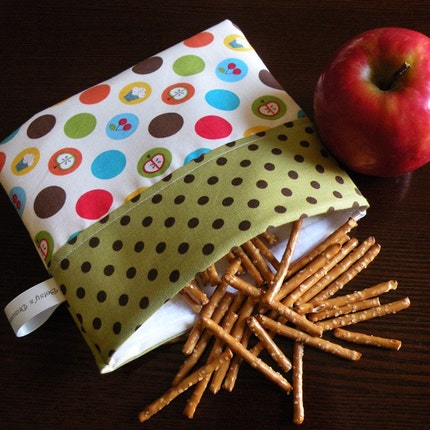
You can find them anywhere these days, and that's a good thing! Reusable snack bags. Forget tossing out once-used plastic baggies. These little bags (and big bags) are washable and more durable.

 guest post